Category: Bioengineering

Stents disrupt blood flow

A researcher at ETH Zurich is designing a realistic artery model with an implanted stent and is using a computer to simulate the blood flow through the stent. In doing so he is uncovering weaknesses in this common form of therapy for atherosclerosis and paving the way for the development of optimized stents.
Coronary arteries are susceptible to plaque that can lead to illness, a phenomenon known informally as a “hardening” of the arteries. The effect of this is narrowing of blood vessels. If a clot detaches itself in another blood vessel and does not flow through the constricted section, this prevents blood supply to the heart and can be dangerous or even fatal in some cases. The disease-induced narrowing of coronary vessels and related heart attacks are one of the most common causes of death in industrial nations. Cardiologists use what are referred to as stents to open the closed-up vessels. Stents are tiny mesh tubes that are inserted into the bloodstream via the artery in the groin and placed in the constricted section. The doctors use a balloon catheter to expand the tube. This expands the blood vessel and the blood can flow through freely again. This method has saved the lives of many heart patients, but it does also have one disadvantage: in two of five patients, plaque and growths – referred to as “restenosis” – accumulate again at the place where the stent is located in the blood vessel, leading to a narrowing of the arteries once again. Arteries on the screen In order to understand the processes and the effects of stents in arteries better, Farhad Rikhtegar, a doctoral student from Professor Dimos Poulikakos’ group at ETH Zurich has implanted a stent in a porcine coronary artery in a laboratory, rendered the real internal surface of the artery including the stent in visual form and in mathematical terms and reproduced it exactly. He also created a computer model of the blood flow in the region of the stent. The paper relating to this work was recently published in the journal PloS One.

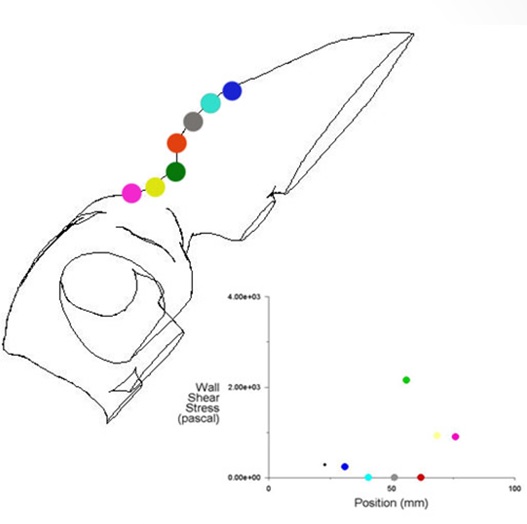
Rikhtegar’s computer models are realistic and achieve a level of detail that has never been seen before. Older models depicted blood vessels in a simplified manner and took into account only very simple clinical scenarios. However, the simulations by the ETH Zurich researcher are more complex and are based on real-life materials: porcine coronary arteries scanned at high resolution in which stents were implanted. Stents eliminate shear stress The simulations make clear that the tiny mesh-like strut connectors of a stent that lie against the wall of the blood vessel slow down the blood flow along these struts considerably. They also show that the blood in the tunnels formed by the stent struts can be “trapped” in vortices, which also reduces the speed of the blood flow in the vicinity of the stent. Because of the slower blood flow, the shear stress that the blood flow exerts on the wall of the blood vessel decreases. Endothelial cells that cover the blood vessel can only carry out their function properly if the blood flow and thus the shear stress acting on them reach a certain average value. If this stress is too low, they allow more and more bad cholesterol into the vessel wall. This in turn leads to infections that result in atherosclerosis once again. It can happen that the artery narrows once again in the region of the stent. Blind spots create a higher risk of restenosis The simulations also show what can happen if a stent is poorly positioned and does not lie flat against the vessel wall. In such a case, “blind spots” occur between the stent and the blood vessel wall where the speed of the blood flow is also severely reduced, increasing the risk of restenosis. Rikhtegar created further models where two stents, partially overlapping, were inserted into porcine arteries. The risk of restenosis is even greater when stents overlap than in the case of one individual stent. Evaluation of this data is not yet complete, however, and the doctoral student would like to publish the results in another paper. Intricate methodology Farhad Rikhtegar had to be quite creative with ideas on how to create the experiments and the related simulations. He created real-life conditions for the subsequent digitalization process using porcine hearts from the slaughterhouse. In collaboration with cardiologists from the University Hospital Zurich, he implanted the stents into the largest coronary artery. The ETH Zurich doctoral student then prepared the blood vessels by injecting them with resin. After the resin had hardened, he removed the tissue and thus obtained a three-dimensional sculpture of the blood vessels in the porcine heart. This preparation method is not new. However, Rikhtegar optimized the method by developing a pump that pressed the resin into the veins using physiological pressure. He explained that he was still injecting the resin by hand in the first trials. But he exerted too much pressure when using this method, destroying the fine capillaries in the vessels. By contrast, automated injection of the resin into the heart vessels ensured that the detailed meshing of even the finest capillaries was retained. Rikhtegar scanned this resin cast at high resolution with a micro-computed tomographer (CT) from Professor Ralph Müller’s group. This gave him a precise digital presentation of the artery in the vicinity of the stent, through which he was able to allow blood to flow in computer simulations. Normal computed tomography used in clinics and hospitals does not have a sufficient resolution to depict the struts of the stent, which are just 100 micrometres thick. However, micro-computed tomography can provide resolutions for structures of just a few micrometres in size. This allowed Rikhtegar to also present the deformation of the blood vessel wall in a vertical and horizontal direction and to show the position of unfavourably positioned stents. Using the geometry of the vein area containing the stent as calculated by the micro CT images, the ETH Zurich doctoral student was able to carry out simulations for almost any scenario. From aeronautics to medical applications Rikhtegar explains that the work was quite a challenge. There was a specific method for each individual sub-step. In cooperation with the respective experts in the field, the aim was to optimize each of these sub-steps. “That took a lot of time”, says Rikhtegar, who is originally an aeronautical engineer. For his dissertation, he had to acquire specific medical knowledge and learn the corresponding methods. “Now I can even insert stents into coronary arteries – it’s not really that difficult”, he grins. In order to carry out his work, he used around 80 porcine hearts that he was able to get from the slaughterhouse. He used these to test and optimize the different work steps. He then had 15 hearts for the scans and the simulations. The method he has developed is a unique tool that allows for research into the relationship between hemodynamic factors and vascular biology. But the simulation can also be used to optimize the use of stents or to develop new forms of stents and test these on a computer. More information: Rikhtegar F, Pacheco F, Wyss C, Stok KS, Ge H, et al. (2013) Compound Ex Vivo and In Silico Method for Hemodynamic Analysis of Stented Arteries. PLoS ONE 8(3): e58147. doi:10.1371/journal.pone.0058147

Read more.

Making a window for drug delivery in the blood-brain barrier

Normally, the circulatory system of the body is isolated by tight junctions between the endothelial cells of the capillaries inside the brain. There is also a thick basement membrane composed of matrix proteins, as well as astrocytic endfeet surrounding the capillaries. Nutrients required by the brain, such as glucose and amino acids, are actively transported across this barrier by specific membrane-bound transporter proteins. There are also specific efflux pumps, that remove certain molecules that might occasionally breach the BBB. Endoscopically accessing the brain through the nose has made many difficult surgeries routine. Removing tumors from normally inaccessible regions, like the pituitary, can now be done with little risk. Typically these procedures require removal of intervening dura mater and arachnoid membrane, which creates a significant communication between the inside of the nose and the surface of the brain. To seal up the gap, nasal mucosal grafts are harvested from the nasal septum. When healed, these grafts can potentially provide a means to bypass the BBB and permit high molecular weight or polar molecules to get into the brain. To determine the diffusion capacity of transplanted nasal mucosa, the researchers applied fluorescent rhodamine-dextran molecules of different sizes to a mouse graft model. Dextran polymer molecular weights of 20, 40 and 500 kDa were tested. All three weights showed significant penetration into the brain which peaked at around 72 hours. The grafts proved to be water tight, immunocompetent, and permanent, suggesting they may be a viable way to create a drug-permeable window for humans. The trans-olfactory drug delivery route has been studied previously in rats, and it was found that nerve growth factor (NGF) could be absorbed in significant doses. Unfortunately, these finding failed to translate into a clinical success in humans. One reason for the the failure may be due to the relatively small size and distribution of the olfactory mucosa in humans. The researchers in the present study did look at the striatum, a region important for the treatment of Parkinson’s disease. They found penetration of fluorescent dextran into this region, suggesting potential therapeutic benefit in humans may be possible. Intranasal drug delivery to the CNS is currently utilized in Parkinson’s treatment to deliver apomorphine, although its ultimate utility has been controversial. The mucosal graft procedure described here would have to be further vetted before it would ready for actual clinical trials. One concern would be the possibility for sinus or other infection to propagate through the graft, particular over longer periods of time. Convection and natural CSF circulation is also different in the brains of mice and humans, in addition to the disparity of scale. However when contrasted with the infection risk inherent in using catheters or cannulas to deliver drugs into the brain, the transplanted olfactory mucosa route has plenty of appeal.

More information: Bleier BS, Kohman RE, Feldman RE, Ramanlal S, Han X (2013) Permeabilization of the Blood-Brain Barrier via Mucosal Engrafting: Implications for Drug Delivery to the Brain. PLoS ONE 8(4): e61694. doi:10.1371/journal.pone.0061694

Read more

Air pollution and hardening of arteries

The researchers, led by Sara Adar, John Searle Assistant Professor of Epidemiology, University of Michigan School of Public Health, and Joel Kaufman, Professor of Environmental and Occupational Health Sciences and Medicine, University of Washington, found that higher concentrations of fine particulate air pollution (PM2.5) were linked to a faster thickening of the inner two layers of the common carotid artery, an important blood vessel that provides blood to the head, neck, and brain. They also found that reductions of fine particulate air pollution over time were linked to slower progression of the blood vessel thickness. The thickness of this blood vessel is an indicator of how much atherosclerosis is present in the arteries throughout the body, even among people with no obvious symptoms of heart disease. “Our findings help us to understand how it is that exposures to air pollution may cause the increases in heart attacks and strokes observed by other studies,” Adar said.

Read more

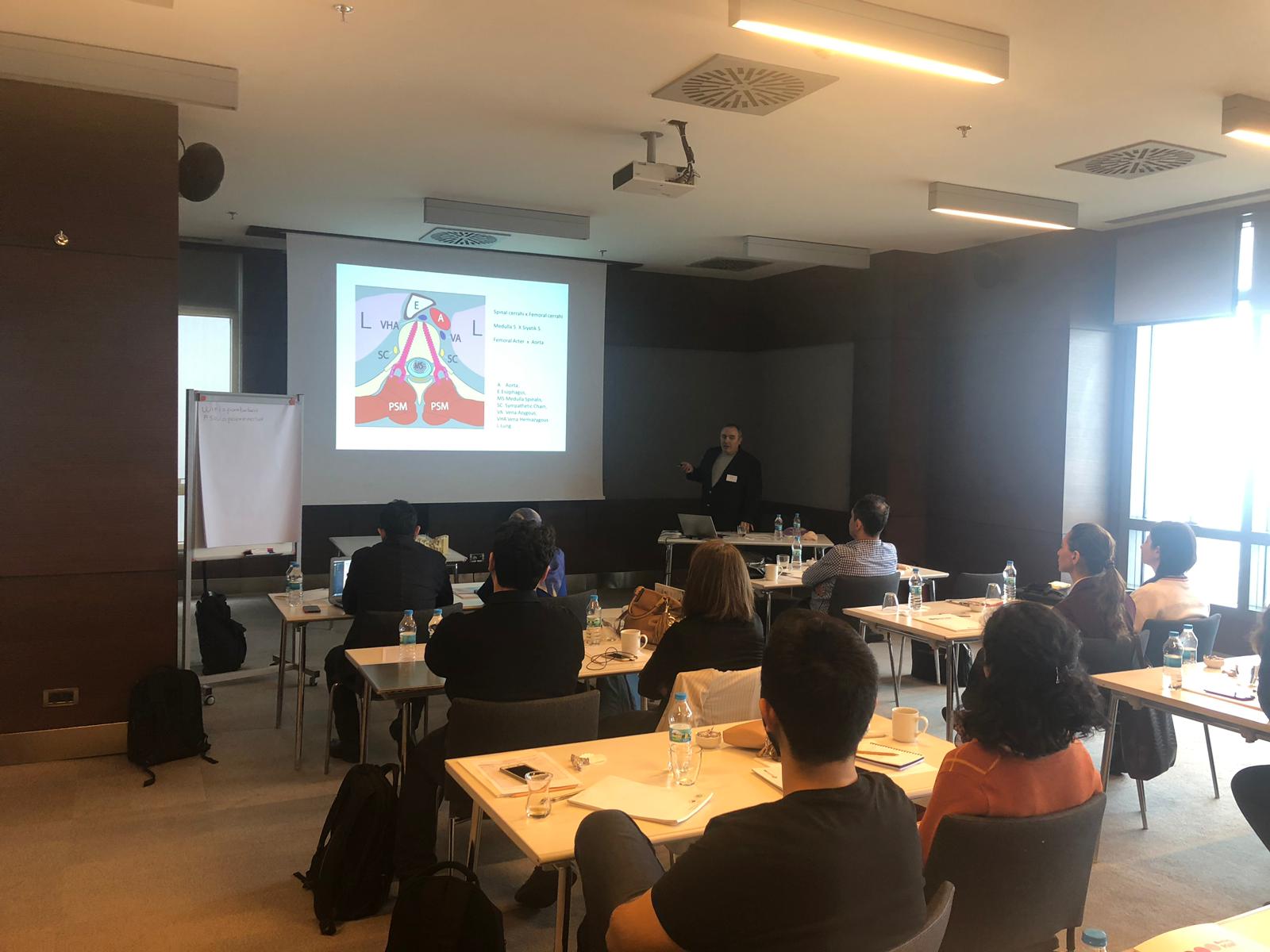
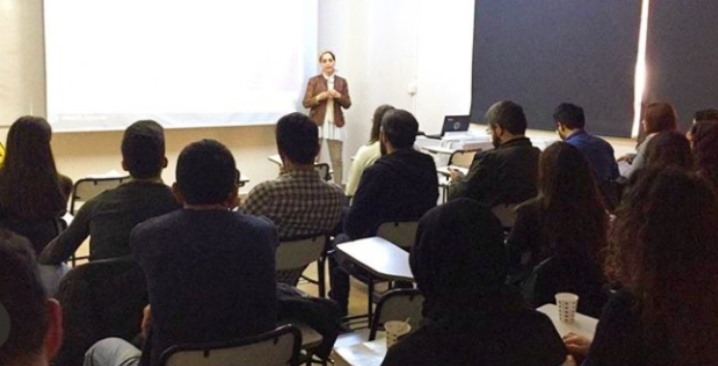
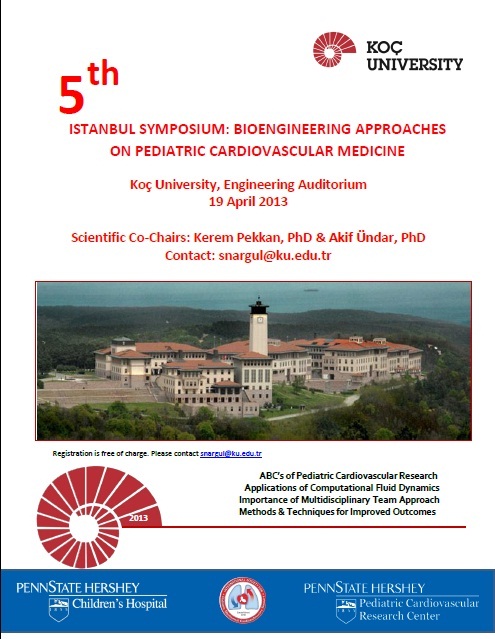
5th ISTANBUL SYMPOSIUM: BIOENGINEERING APPROACHES ON PEDIATRIC CARDIOVASCULAR MEDICINE

Scientific Co-Chairs are Kerem Pekkan, PhD & Akif Ündar, PhD

Invitation to Attend

The 5th Istanbul Symposium is intended for medical and engineering students, nurses,
scientists, pediatric heart surgeons, engineers, cardiologists, intensivists, neonatologists,
anesthesiologists, neurologists, pediatric perfusionists, respiratory therapists, residents
and fellows. All are invited and encouraged to attend.

Koç University, Engineering Auditorium ( Mühendislik Oditoryumu ) / 19 April 2013

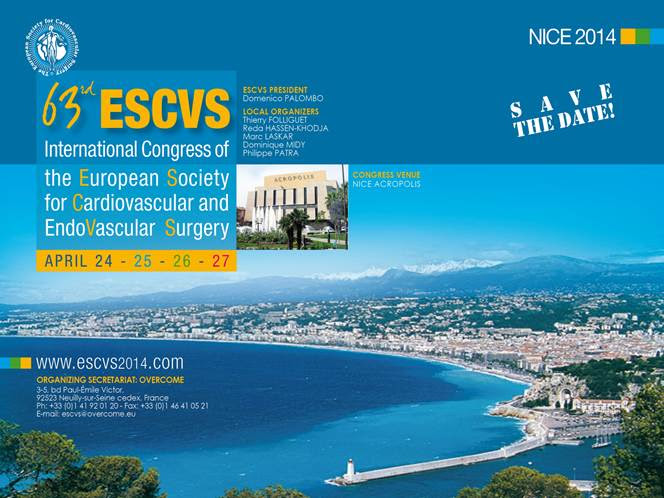
European Society of Cardiology Congress 2013 / Amsterdam

  • The new translational initiative Science in Practice’ will provide clinicians with insights on where the field is going in the future and basic scientists with a critically important context for future work.
  • General practitioners, nurses and other allied professionals: reduced fee to participate in the general cardiology update programme on Saturday 31 August as an introduction to the ESC Congress 2013.
  • For the first time delegates will be able to follow the “Guidelines into Practice (GIP)” track ,  designed to support cardiologists in the implementation of the Guidelines in their daily practice.

Click for Congress Home Page

International Conference on Integrated Medical Imaging in Cardiovascular Diseases / Vienna

The International Atomic Energy Agency (IAEA) announces its intention to hold the International Conference on Integrated Medical Imaging in Cardiovascular Diseases (IMIC2013). Cardiovascular diseases (CVDs) are an important sub-group of non-communicable diseases and are one of the main priorities in the health care systems of many IAEA Member States. Medical imaging, including molecular nuclear medicine, is extremely important in that it offers strategic advantages in both diagnostic and therapeutic decision making. It provides inputs for diagnosis, staging, treatment, prognosis and follow-up in the management of CVDs. Medical imaging includes techniques such as single photon emission computed tomography (SPECT), positron emission tomography (PET), echocardiography, computed tomography (CT), and magnetic resonance imaging (MRI). These techniques provide an excellent opportunity to understand the pathology of individual patients and can therefore serve to facilitate tailored clinical management. Each imaging modality has its advantages and limitations which need to be understood properly by health care professionals dealing with CVDs. Many Member States are actively using, have recently implemented or are planning to acquire these technologies.

Read More

International Congress of Cardiovascular Technologies /Algarve

Extended Abstract Submission and Complete Paper Submission: April 24, 2013
Authors Notification: June 17, 2013
Camera Ready and Registration: July 8, 2013

Read More

Wireless device powers implanted blood-pressure sensor, eliminating batteries

Researchers at A*STAR Institute of Microelectronics in Singapore are developing a prototype wireless device that powers an implanted blood-pressure sensor, eliminating the need to recharge or replace a battery.

The microscale electronic sensor monitors blood flow through artificial blood vessels. Surgeons use these prosthetic grafts to bypass diseased or clogged blood vessels in patients experiencing restricted blood supply, for example.

Over time, however, the graft can also become blocked. To avoid complete failure, blood flow through the graft must be monitored regularly, but existing techniques are slow and costly.

Monitoring blood flow rate inside prosthetic vascular grafts enables early detection of graft degradation and prevention of graft failure.

The implant is powered by a handheld external reader, which uses inductive coupling to wirelessly transfer energy. The team developed an ultralow-power application-specific integrated circuit (ASIC) for the implant designed for low-power (21.6 μW) use.

The sensors are based on piezoresistive silicon nanowires. As blood flows over the sensor, the associated mechanical stresses induce a measurable increase in electrical resistance, proportional to the flow pressure.

“Our flow sensor system achieves an ultra-low power consumption of 12.6 microwatts,” said A*STAR’s Jia Hao Cheong, who heads the project. To achieve that the sensor transmits its data to the handheld reader passively, by backscattering some of the incoming energy. “We have tested our system with 50-millimeter-thick tissue between the external coil and implantable coil, and it successfully extracted the pressure data from the implantable device.”

“The next step of the project is to integrate the system and embed it inside a graft for an experimental animal,” Cheong said.

Source: http://www.kurzweilai.net

Heart repair breakthroughs replace surgeon’s knife

Heart care is in the midst of a transformation. Many problems that once required sawing through the breastbone and opening up the chest for open heart surgery now can be treated with a nip, twist or patch through a tube.
These minimal procedures used to be done just to unclog arteries and correct less common heart rhythm problems. Now some patients are getting such repairs for valves, irregular heartbeats, holes in the heart and other defects—without major surgery. Doctors even are testing ways to treat high blood pressure with some of these new approaches.

All rely on catheters—hollow tubes that let doctors burn away and reshape heart tissue or correct defects through small holes into blood vessels.

“This is the replacement for the surgeon’s knife. Instead of opening the chest, we’re able to put catheters in through the leg, sometimes through the arm,” said Dr. Spencer King of St. Joseph’s Heart and Vascular Institute in Atlanta. He is former president of the American College of Cardiology. Its conference earlier this month featured research on these novel devices.

“Many patients after having this kind of procedure in a day or two can go home” rather than staying in the hospital while a big wound heals, he said. It may lead to cheaper treatment, although the initial cost of the novel devices often offsets the savings from shorter hospital stays.

Not everyone can have catheter treatment, and some promising devices have hit snags in testing. Others on the market now are so new that it will take several years to see if their results last as long as the benefits from surgery do.

But already, these procedures have allowed many people too old or frail for an operation to get help for problems that otherwise would likely kill them.

“You can do these on 90-year-old patients,” King said.

These methods also offer an option for people who cannot tolerate long-term use of blood thinners or other drugs to manage their conditions, or who don’t get enough help from these medicines and are getting worse. “It’s opened up a whole new field,” said Dr. Hadley Wilson, cardiology chief at Carolinas HealthCare System in Charlotte. “We can hopefully treat more patients more definitively, with better results.” For patients, this is crucial: Make sure you are evaluated by a “heart team” that includes a surgeon as well as other specialists who do less invasive treatments. Many patients now get whatever treatment is offered by whatever specialist they are sent to, and those specialists sometimes are rivals. “We want to get away from that” and do whatever is best for the patient, said Dr. Timothy Gardner, a surgeon at Christiana Care Health System in Newark, Delaware, and an American Heart Association spokesman. “There shouldn’t be a rivalry in the field.” Here are some common problems and newer treatments for them:

Heart valves

illions of people have leaky heart valves. Each year, more than 100,000 people in the United States alone have surgery for them. A common one is the aortic valve, the heart’s main gate. It can stiffen and narrow, making the heart strain to push blood through it. Without a valve replacement operation, half of these patients die within two years, yet many are too weak to have one. “Essentially, this was a death sentence,” said Dr. John Harold, a Los Angeles heart specialist who is president of the College of Cardiology. That changed just over a year ago, when Edwards Lifesciences Corp. won approval to sell an artificial aortic valve flexible and small enough to fit into a catheter and be wedged inside the bad one. At first it was just for inoperable patients. Last fall, use was expanded to include people able to have surgery but at high risk of complications. Gary Verwer, 76, of Napa, California, had a bypass operation in 1988 that made surgery too risky when he later developed trouble with his aortic valve. “It was getting worse every day. I couldn’t walk from my bed to my bathroom without having to sit down and rest,” he said. After getting a new valve through a catheter last April at Stanford University, “everything changed; it was almost immediate,” he said. “Now I can walk almost three miles a day and enjoy it. I’m not tired at all.” “The chest cracking part is not the most fun,” he said of his earlier bypass surgery. “It was a great relief not to have to go through that recovery again.” Catheter-based treatments for other valves also are in testing. One for the mitral valve—Abbott Laboratories’ MitraClip—had a mixed review by federal Food and Drug Administration advisers this week; whether it will win FDA approval is unclear. It is already sold in Europe.

Heart rhythm problems

Catheters can contain tools to vaporize or “ablate” bits of heart tissue that cause abnormal signals that control the heartbeat. This used to be done only for some serious or relatively rare problems, or surgically if a patient was having an operation for another heart issue. Now catheter ablation is being used for the most common rhythm problem—atrial fibrillation, which plagues about 3 million Americans and 15 million people worldwide. The upper chambers of the heart quiver or beat too fast or too slow. That lets blood pool in a small pouch off one of these chambers. Clots can form in the pouch and travel to the brain, causing a stroke. Ablation addresses the underlying rhythm problem. To address the stroke risk from pooled blood, several novel devices aim to plug or seal off the pouch. Only one has approval in the U.S. now—SentreHeart Inc.’s Lariat, a tiny lasso to cinch the pouch shut. It uses two catheters that act like chopsticks. One goes through a blood vessel and into the pouch to help guide placement of the device, which is contained in a second catheter poked under the ribs to the outside of the heart. A loop is released to circle the top of the pouch where it meets the heart, sealing off the pouch. A different kind of device—Boston Scientific Corp.’s Watchman—is sold in Europe and parts of Asia, but is pending before the FDA in the U.S. It’s like a tiny umbrella pushed through a vein and then opened inside the heart to plug the troublesome pouch. Early results from a pivotal study released by the company suggested it would miss a key goal, making its future in the U.S. uncertain.

Heart defects

Some people have a hole in a heart wall called an atrial septal defect that causes abnormal blood flow. St. Jude Medical Inc.’s Amplatzer is a fabric-mesh patch threaded through catheters to plug the hole. The patch is also being tested for a more common defect—PFO, a hole that results when the heart wall doesn’t seal the way it should after birth. This can raise the risk of stroke. In two new studies, the device did not meet the main goal of lowering the risk of repeat strokes in people who had already suffered one, but some doctors were encouraged by other results.

Сlogged arteries

The original catheter-based treatment—balloon angioplasty—is still used hundreds of thousands of times each year in the U.S. alone. A Japanese company, Terumo Corp., is one of the leaders of a new way to do it that is easier on patients—through a catheter in the arm rather than the groin. Newer stents that prop arteries open and then dissolve over time, aimed at reducing the risk of blood clots, also are in late-stage testing.

High blood pressure

About 75 million Americans and 1 billion people worldwide have high blood pressure, a major risk factor for heart attacks. Researchers are testing a possible long-term fix for dangerously high pressure that can’t be controlled with multiple medications. It uses a catheter and radio waves to zap nerves, located near the kidneys, which fuel high blood pressure. At least one device is approved in Europe and several companies are testing devices in the United States. “We’re very excited about this,” said Harold, the cardiology college’s president. It offers hope to “essentially cure high blood pressure.” Copyright 2013 The Associated Press. All rights reserved. This material may not be published, broadcast, rewritten or redistributed.

Read more at: http://medicalxpress.com/news/2013-03-heart-breakthroughs-surgeon-knife.html#jCp


CT scans find clogged arteries in mummies

“We found that heart disease is a serial killer that has been stalking mankind for thousands of years,” says researcher Gregory Thomas. “In the last century, atherosclerotic vascular disease has replaced infectious disease as the leading cause of death across the developed world.”

The researchers performed CT scans of 137 mummies from across four continents and found artery plaque in every single population studied, from preagricultural hunter-gatherers in the Aleutian Islands to the ancient Puebloans of southwestern United States.

Their findings provide an important twist to one’s understanding of atherosclerotic vascular disease, which is the leading cause of death in the developed world: While modern lifestyles can accelerate the development of plaque on arteries, the prevalence of the disease across human history shows it may have a more basic connection to inflammation and aging.

“This is not a disease only of modern circumstance but a basic feature of human aging in all populations,” says Professor Caleb Finch of University of Southern California (USC), a senior author of the study.

“Turns out even a Bronze Age guy from 5,000 years ago had calcified, carotid arteries,” Finch says, referring to Ötzi the Iceman, a natural mummy who lived around 3200 B.C. and was discovered frozen in a glacier in the Italian Alps in 1991.

With Gregory Thomas of Long Beach Memorial, Finch was part of a team that previously showed Egyptian mummies had calcified patches on their arteries indicative of advanced atherosclerosis (from the Greek “athero,” meaning “gruel,” and “scler,” meaning “hard”).

But ancient Egyptians tended to mummify only royalty or those who had privileged lives. The new study led by Thomas and Randall Thompson of Saint Luke’s Mid America Heart Institute examined mummies from four drastically different climates and diets—and from cultures that mummified regular people, including ancient Peruvians, Ancestral Puebloans, the Unangans of the Aleutian Islands, and ancient Egyptians.

“Our research shows that we are all at risk for atherosclerosis, the disease that causes heart attacks and strokes—all races, diets, and lifestyles,” says Thomas.

“Because of this we all need to be cautious of our diet, weight, and exercise to minimize its impact. The data gathered about individuals from the prehistoric cultures of ancient Peru and the Native Americans living along the Colorado River and the Unangan of the Aleutian Islands is forcing us to think outside the box and look for other factors that may cause heart disease.”

Overall, the researchers found probable or definite atherosclerosis in 34 percent of the mummies studied, with calcification of arteries more pronounced in the mummies that were older at the time of death. Atherosclerosis was equally common in mummies identified as male or female.

“We found that heart disease is a serial killer that has been stalking mankind for thousands of years,” Thompson says. “In the last century, atherosclerotic vascular disease has replaced infectious disease as the leading cause of death across the developed world.

“A common assumption is that the rise in levels of atherosclerosis is predominantly lifestyle-related, and that if modern humans could emulate preindustrial or even preagricultural lifestyles, that atherosclerosis, or at least its clinical manifestations, would be avoided.

“Our findings seem to cast doubt on that assumption, and at the very least, we think they suggest that our understanding of the causes of atherosclerosis is incomplete and that it might be somehow inherent to the process of human aging,” he adds.

The researchers will next seek to biopsy ancient mummies to get a better understanding of the role chronic infection, inflammation, and genetics play in promoting the prevalence of atherosclerosis.

“Atherosclerosis starts very early in life. In the United States, most kids have little bumps on their arteries. Even stillbirths have little tiny nests of inflammatory cells. But environmental factors can accelerate this process,” Finch says, pointing to studies that show larger plaque buildup in children exposed to household tobacco smoking or who are obese.

Source: University of Southern California

Infant brain controls blood flow differently

“The control of blood flow in the brain is very important,” says Elizabeth Hillman, associate professor of biomedical engineering and of radiology, who led the research study in her Laboratory for Functional Optical Imaging at Columbia University.

“Not only are regionally specific increases in blood flow necessary for normal brain function, but these blood-flow increases form the basis of signals measured in fMRI, a critical imaging tool used widely in adults and children to assess brain function,” says Hillman. “Many prior fMRI studies have overlooked the possibility that the infant brain controls blood flow differently.”

Functional magnetic resonance imaging, or fMRI, is one of several brain-imaging methods that measure changes in blood flow to detect the presence and location of neuronal activity. In adults, blood-flow increases occur in specific regions of the brain during a particular task like moving your hand or reacting to a stimulus.

“We found that the immature brain does not generate localized blood-flow increases in response to stimuli,” says Mariel Kozberg, a neurobiology MD-PhD candidate and lead author of the paper published in the Proceedings of the National Academy of Sciences. “By tracking changes in blood-flow control with increasing age, we observed the brain gradually developing its ability to increase local blood flow and, by adulthood, generate a large blood-flow response.”

Hillman says the findings suggest that vascular development may be an important new factor to consider in normal and abnormal brain development.

The team used a unique high-speed, high-resolution imaging approach that takes advantage of the different absorption spectra of deoxygenated and oxygenated hemoglobin in order to determine changes in the concentrations of each.

The researchers found that, with increasing age, there was a gradual development of a localized increase in blood flow, while a strong, delayed decrease in flow was consistently present. Only by adulthood was the positive increase able to balance the decrease in flow.

“Our results suggest that the infant brain might not be able to generate localized blood-flow increases, even if there is neuronal activity occurring, and that the development of blood-flow control occurs in parallel with early neuronal development,” says Kozberg.

“This could suggest that fMRI studies of infants and children may be detecting changes in both vascular and neuronal development—in fact, vascular development may be an important new factor to consider in normal and abnormal brain development.”

The team also found that the younger age groups were highly sensitive to blood pressure increases in response to stimulation and that these increases can cause large increases in blood flow across the brain.

“This finding indicates that the newborn brain is also unable to regulate its overall blood-flow levels,” Kozberg explains. “This could explain earlier fMRI results in infants and children that were sometimes positive and sometimes negative, because it is difficult to tell whether blood pressure increases are occurring in infants and children. This result suggests that great care should be taken in setting stimulus thresholds in young subjects.”

The researchers add that, since the newborn brain appears to be able to sustain itself without tightly controlled blood flow, their findings suggest that the infant brain may be intrinsically more resistant to damage due to a lack of oxygen than the adult brain.

“This could be an important property to understand, both in terms of understanding how best to treat blood-flow problems in the newborn infant brain, which can cause lifelong problems such as cerebral palsy, and to potentially better understand how to treat the adult brain in conditions such as stroke,” Hillman observes.

This research was supported by grants and student fellowships from the National Institute of Neurological Disorders and Stroke, the National Eye Institute, the National Science Foundation, the National Defense Science and Engineering Graduate Fellowship, the Medical Scientist Training Program, and the Human Frontier Science Program.

SourceColumbia University

Blood plasma

Blood plasma is placed between two plates and the plates then drawn apart. High-speed cameras fitted with high-resolution microscope lenses capture the formation of threads and drops, demonstrating that blood plasma exhibits both viscous and elastic behavior when deformed and that it does not behave like water. Credit: Christof Schäfer, Phys. Rev. Lett. 110, 2013, 078305. Copyright (2013) by the American Physical Society

Read more at: http://medicalxpress.com/news/2013-02-blood-thicker-waterand-plasma-video.html#jCp

Gender influences ischemic time, outcomes after STEMI

After ST-segment elevation myocardial infarction and primary percutaneous coronary intervention, women have longer ischemic times and are at a higher risk than men of early all-cause and cardiac mortality, according to research published in the Feb. 1 issue of The American Journal of Cardiology.

Read more at: http://medicalxpress.com/news/2013-02-gender-ischemic-outcomes-stemi.html#jCp

Video capsule accurately detects intestinal blood

Video capsule endoscopy can be safely and accurately used to detect blood in patients with acute upper gastrointestinal hemorrhage seen in emergency departments, according to a study published online Feb. 11 in the Annals of Emergency Medicine.

Read more at: http://medicalxpress.com/news/2013-02-video-capsule-accurately-intestinal-blood.html#jCp

Virtual heart sheds new light on heart defect

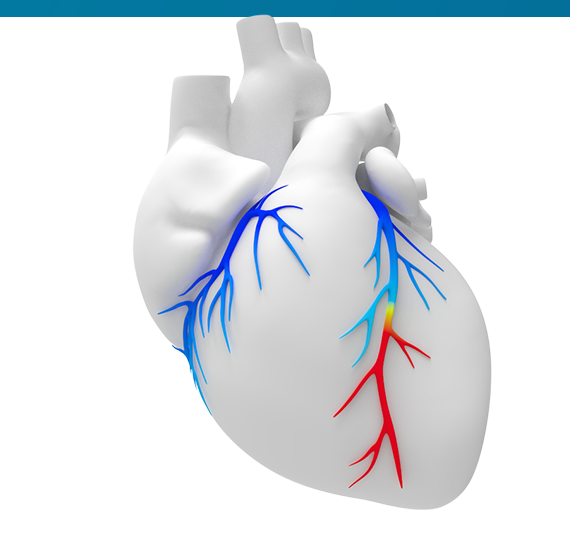
Researchers at the School of Physics and Astronomy used cutting edge technology to build an advanced computational model of an anatomically correct sheep’s heart. It was made by taking a series of very thin slices of the heart, imaging them in 2D and then using a computer programme to render them into a 3D model. The reconstruction includes details of the complex fibre structure of the tissue, and the segmentation of the upper chambers of the heart into known distinctive atrial regions. Single-cell models that take into account information about the electrical activity in different atrial parts of regions the heart were then incorporated into the model. The virtual heart was then used to investigate the condition atrial fibrillation (AF). Professor Henggui Zhang led the research and explains why they wanted to study AF: “Atrial fibrillation (AF) affects approximately 1.5% of the world’s population. In the UK more than 500,000 patients have been diagnosed with the condition which causes an irregular heart rate. It is also known to increase the risk and severity of stroke. Despite its prevalence very little is known about what causes AF. We hoped our model would allow us to understand the mechanisms of this condition to ultimately help create better treatments.” AF occurs when abnormal electrical impulses suddenly start firing in the upper chambers of the heart. These impulses override the heart’s natural pacemaker, which can no longer control the rhythm of the heart. This desynchronises the heart muscle contraction and reduces the heart’s efficiency and performance. Professor Zhang and his team focussed on the pulmonary vein which is a common area that initially triggers AF. They simulated erratic electrical waves passing through the vein and the surrounding atrial tissue, and then studied the impact this had on the rest of the heart. What they found was that regional differences in the electrical activity across the tissue of the heart, known as electrical heterogeneity, is key to the initiation of AF. The largest electrical difference was between the pulmonary vein and the left atrium which may go some way to explaining why the pulmonary vein region is a common source of irregular heartbeats. The scientists also identified that the fibre structure of the heart plays an important role in the development of AF. There were directional variations in the conduction of electrical waves along and across the fibres, this is known as anisotropy. The fibre structure in the left atrium is much more organised compared with the complex structures of the pulmonary vein region. The sudden variation in conduction at the junction between the left atrium and the pulmonary vein regions appeared to contribute to the development of AF. Professor Zhang says: “This study has for the first time identified the individual role of electrical heterogeneity and fibre structure in the initiation and development of AF. It has not previously been possible to study the contribution of the two separately but using our computational model we’ve been able to clearly see that both electrical heterogeneity and fibre structure need to be taken into consideration when treatment strategies for AF are being devised.” The next step for Professor Zhang and his team will be to find a way to target the electrical conduction in specific regions of the heart to better protect against AF. They also want to use their virtual heart to gain a deeper understands of AF and to apply their findings to the development of more effective treatments. Professor Zhang concludes: “We’re really excited about the potential that our virtual heart opens up for research into this incredibly complex organ. By bringing together physics and biology we hope to unlock some of the unanswered questions about atrial fibrillation – a condition which is only going to become more common as people live longer.” More information: The paper “A novel computation sheep atria model for the study of atrial fibrillation” will be published online in the Royal Society’s independent journal, Interface Focus, on Wednesday 16 January 2013. Provided by University of Manchester

Read more at: http://medicalxpress.com/news/2013-01-virtual-heart-defect.html#jCp

Source : Medical Express